Posts

The Ultimate Guide to Growing Stunning Cordylines in Your Garden

Image
Cordylines: Unveiling the Beauty of Sherb Plants Introduction: Cordylines, commonly known as sherb plants, are ornamental foliage plants that bring a touch of tropical flair to any garden or indoor space. With their vibrant, brightly colored leaves and unique growth patterns, cordylines have gained popularity among garden enthusiasts and plant lovers alike. In this blog post, we will delve deeper into the world of cordylines, exploring their origins, characteristics, care requirements, and the various stunning varieties available. Maintaining Proper Lighting for Your Cordyline Sherb Plant  Origins: Cordylines belong to the Asparagaceae family and are native to Southeast Asia, Pacific Islands, and parts of Australia. They have been cultivated for centuries by indigenous people for various purposes like medicinal use, food, and even fabric production. Today, they are primarily grown for their ornamental value and are prized for their stunning foliage. Characteristics: Cor...

The Exquisite Beauty and Benefits of Crape Jasmine Milkwood

Image
Everything You've Ever Wanted to Know About Crape Jasmine Milkwood Introduction : When it comes to captivating gardens and mesmerizing landscapes, the crape jasmine milkwood (Tabernaemontana divaricata) takes the center stage. Also known as pinwheel flower, and fragrant jasmine, this evergreen shrub native to Southeast Asia charms with its exceptional beauty and aromatic fragrance. In this blog post, we will explore the enchanting qualities of the crape jasmine milkwood, its care requirements, and the various benefits it offers to gardeners and nature enthusiasts. 1. Aesthetically Delightful: With its delicate and trumpet-shaped white flowers, the crape jasmine milkwood adds an ethereal touch to any garden. Each blossom, typically measuring about two inches in diameter, resembles a tiny pinwheel, hence its alternate name. Surrounding its beautiful flowers are dark green, shiny leaves that further enhance its overall visual appeal. The plant's abundance of flowers th...

Stunning Calathea Ornata White: A Marvel of Nature

Image
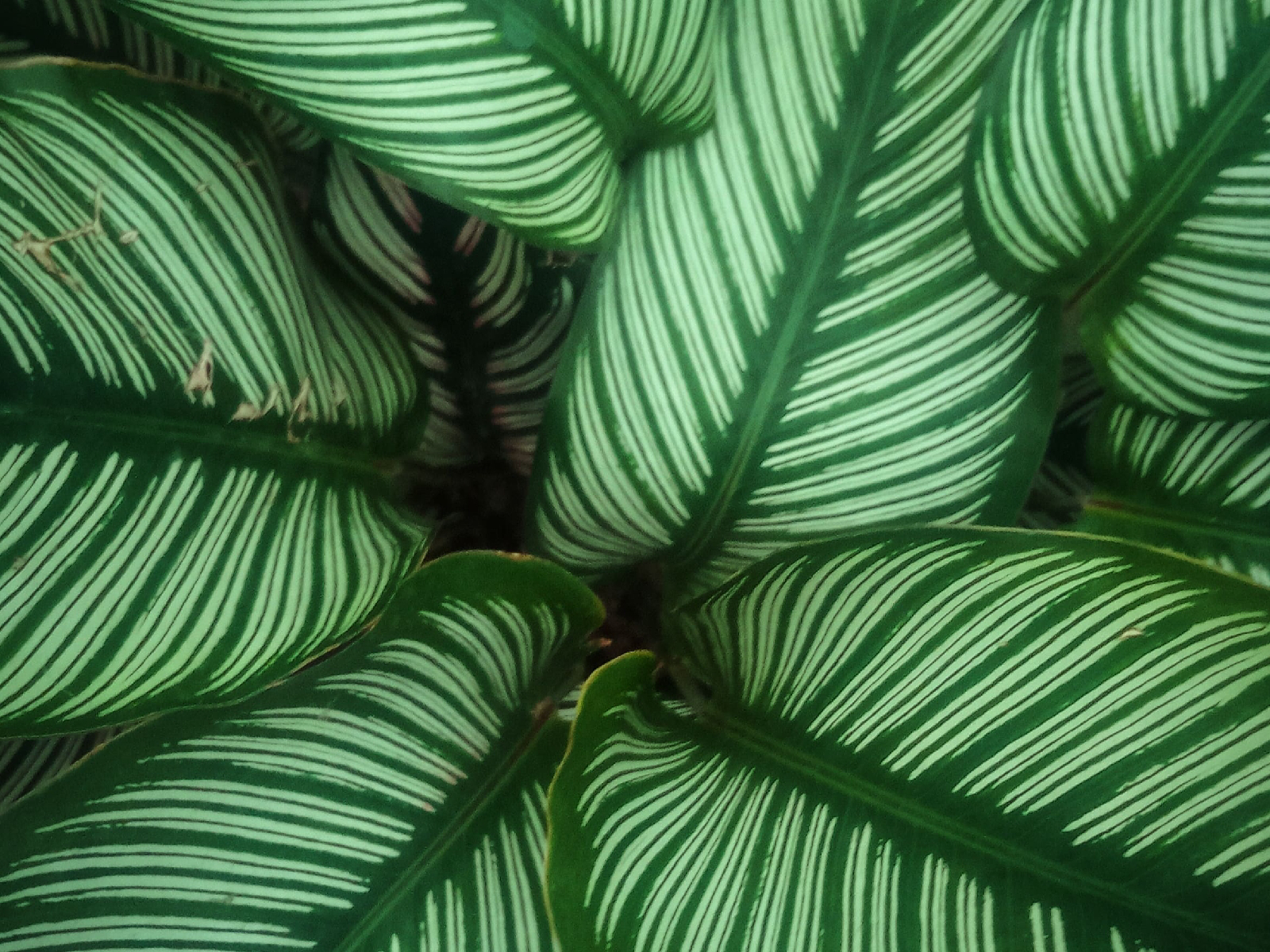
Stunning Calathea Ornata White: A Marvel of Nature  Are you looking to add a touch of elegance and beauty to your living space? Look no further than the Calathea Ornata White. This striking plant is a marvel of nature, with its unique white-striped foliage and radiant pink undersides. Not only does it add a pop of color to any room, but it also offers a host of other benefits. Let’s explore why this plant deserves a spot in your home. The Calathea Ornata White, also known as the Pinstripe Plant, is native to the tropical rainforests of South America, particularly Brazil. Its vibrant, variegated leaves with contrasting white stripes make it a standout among houseplants. The white stripes create a striking contrast against the deep green background, giving it a stunning appearance that is sure to catch everyone's eye. One of the most attractive features of the Calathea Ornata White is its mesmerizing pink undersides. When the leaves are open during the day, the pink hue b...

Discover the Beauty of Panama Rose: A Guide to Growing and Caring for This Exotic Flower

Image
Exploring the Vibrant Beauty of the Panama Rose  A Plant and Flower You'll Fall in Love With Introduction: Nature has blessed us with countless breathtaking flowers, each one unique and captivating in its own way. Among these floral wonders is the stunning Panama Rose, a species that stands out with its vibrant hues and delicate petals. In this blog post, we will delve into the mesmerizing beauty and fascinating characteristics of this enchanting plant and flower. 1. Origin and Background: The Panama Rose, scientifically known as Rondeletia leucophylla, is native to the tropical regions of Central and South America, particularly Panama, Costa Rica, and Colombia. This evergreen shrub, belonging to the Rubiaceae family, thrives in warm, humid climates, making it an ideal choice for gardens in tropical and subtropical areas. 2. Spectacular Appearance: The Panama Rose presents a spectacular display of blossoms that are a true feast for the eyes. With its trumpet-shaped flow...

How to Incorporate Cuban Oregano Herbs into Your Diet

Image
Here are some instructions and details about Cuban oregano: Cuban oregano is a tropical perennial herb that is commonly used in Caribbean and Indian cuisine. It has thick, succulent leaves with a strong aroma and flavor reminiscent of oregano and thyme. 1. Growing Conditions: Cuban oregano  prefers warm and humid climates. It requires full sun or partial shade and well-draining soil. It can be grown in the ground or in containers. 2. Planting: You can start growing Cuban oregano from seeds or cuttings. If using seeds, plant them in a seed-starting mix and keep them moist until they germinate. If using cuttings, simply take a stem cutting and plant it directly in moist soil or water until it develops roots. 3. Watering: Cuban oregano needs regular watering to keep the soil evenly moist. However, it is important to avoid overwatering, as it can lead to root rot. Allow the soil to dry slightly between waterings. 4. Fertilizing: Feed Cuban oregano with a balanced liquid fertilizer ever...

Delving into the Ever-Growing : A Beginner's Guide to Succulent Plants

Image
A Beginner's Guide to Succulent Plants Introduction: In recent years, succulents have skyrocketed in popularity, captivating plant enthusiasts, interior decorators, and even millennials with their vibrant hues, unique shapes, and low-maintenance requirements. These versatile plants thrive in arid conditions, making them an ideal choice for busy individuals or those with limited gardening experience. In this blog post, we will explore the fascinating world of succulent plants, delve into their characteristics, and unravel the secrets behind their undeniable allure. 1. Understanding Succulents:  Succulent plants belong to a diverse plant group that includes cacti, agave, aloe vera, and numerous other species. What sets them apart is their ability to retain water in their fleshy leaves, stems, or roots, enabling them to survive in arid environments. This adaptation also gives them their unique appearance, with thick, waxy coatings, swollen leaves, and intriguing geometric ...

The Prickly Beauty: Discovering the Fascinating World of Cactus Plants

Image
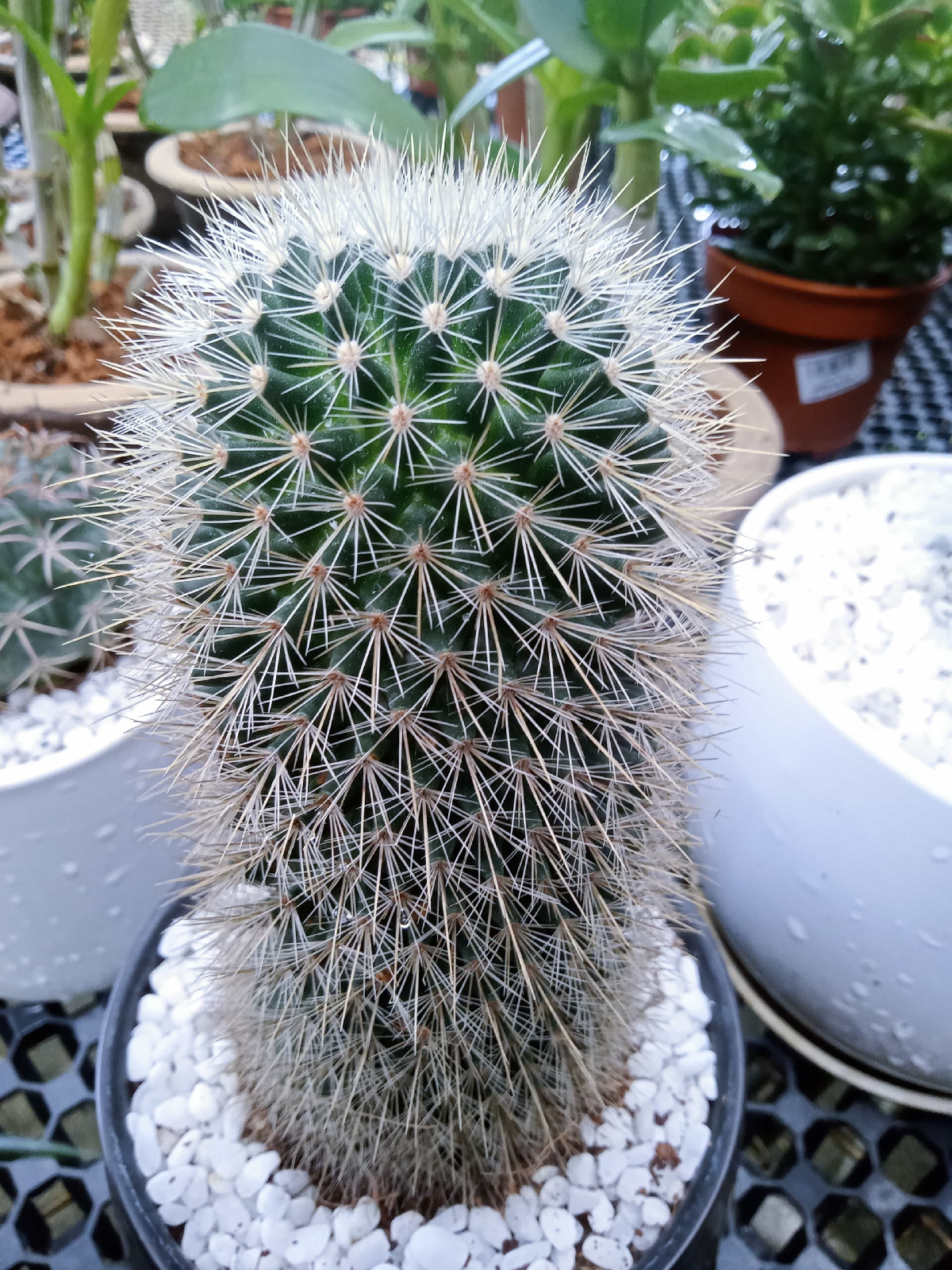
Discovering the Fascinating World of Cactus Plants Introduction: If there's one plant that exemplifies resilience, versatility, and unique beauty, it's the cactus. With its prickly exterior and ability to thrive in some of the harshest and driest environments on earth, cacti have long captivated the attention of plant enthusiasts and desert lovers alike. In this blog post, we'll delve into the incredible characteristics, diverse species, and impressive adaptations of the cactus plant. 1. A World of Variety: It might surprise you to learn that there are over 2,000 known species of cacti, varying widely in size, shape, color, and texture. From the towering saguaro cactus of the Sonoran Desert to the tiny and globular mammillaria cacti, each species has its unique charm. Some cacti even boast vibrant flowers in contrast to their prickly demeanor, adding a touch of elegance to their desert landscapes . 2. Adapting to Extreme Conditions: The cactus plant...

Gomphrena Nivosa : A Snowy Delight Amongst Garden Flowers

Image
Gomphrena Nivosa : A Snowy Delight Amongst Garden Flowers Introduction:  When it comes to creating a vibrant and visually appealing garden, few plants can match the charm and allure of Gomphrena nivosa. With its luscious white, snowball-like blooms and low-maintenance nature, this plant can effortlessly elevate the aesthetic appeal of any landscape or garden bed. In this blog post, we will take a closer look at Gomphrena nivosa, exploring its characteristics, cultivation tips, and the numerous benefits and uses it offers to garden enthusiasts. Characteristics and Appearance: Gomphrena nivosa, commonly known as the Snow Cone Globe Amaranth, boasts compact, bushy growth with an average height of 12 to 18 inches (30 to 45 cm). This variety belongs to the Amaranthaceae family and is typically considered an annual plant, although with proper care, it can also thrive as a perennial in warmer regions. Its most distinctive feature is its round, snowy-white flower heads, which...

The Ultimate Guide to Euphoria Plants: Care Tips and Details

Image
 Mastering the Art of Euphoria Plants Care: Tips and Tricks for Success  The Euphoria plant, also known as Euphorbia milii or Crown of Thorns, is a popular houseplant that is native to Madagascar. It is a succulent plant with thick, fleshy stems and colorful, showy flowers. Planting: When planting a Euphoria plant, it is important to choose a well-draining potting soil mix. The pot should have drainage holes to prevent waterlogging. The plant should be placed in a location that receives bright, indirect sunlight. Watering: The Euphoria plant prefers to be slightly dry between watering.  Overwatering can lead to root rot and other issues. It is best to water the plant thorouhly and allow the top inch of soil to dry out before watering again. Lighting: Euphoria plants require bright, indirect light to thrive.  They can tolerate some direct sun in the morning or late afternoon, but too much direct sunlight can scorch the leaves. Temperature and Humidity: ...

The Ultimate Guide to Growing Healthy Plants in Your Home

Image
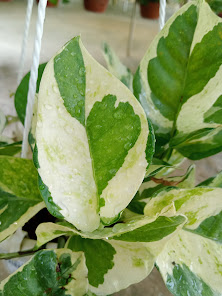
How to growing money Plants.   Growing money plants, also known as pothos or devil's ivy, is relatively easy and can be done both indoors and outdoors. Here is a detailed guide on how to grow money plants: 1. Choosing a pot and soil:    - Money plants can be grown in either plastic or clay pots. Ensure the pot has good drainage holes.    - Use a well-draining potting mix or a mixture of equal parts of garden soil, compost, and perlite. 2. Planting the cutting:    - Take a 6-inch long stem cutting from a healthy, mature money plant.    - Remove the bottom leaves and place the cutting in a glass of clean water, making sure that only the nodes are submerged.    - Change the water every 2-3 days, and after around 2 weeks, you will notice small roots developing.    - Once the roots are about 1-2 inches long, it's time to plant the cutting in a pot. 3. Planting in a pot:    - Fill the pot with the prepared soil mi...

Garden Petunia Botanical name: Petunia atkinsiana multicolor flowers.

Image
 Garden petunia, a species of petunia aktkinsiana hybrid species of garden plant. Description : Garden petunia (Petunia atkinsiana) is a hybrid form of garden plant that includes all hybrids between two species of P. petunia. Petunias in the garden require several hours of sunlight each day. Tips from garden coaches  Garden petunia has rich cultivated varieties to meet different needs. Can be used as a ground cover potted flower pot. With simple care you can have a vibrant petunia in your garden.  Attract Birds Garden petunias should definitely be on your list if you want to create a hummingbird-attracting garden! Hummingbirds need to feed on a variety of nectar sources and the wider the selection the better. Look for varieties that come in colors that naturally attract hummingbirds especially yellow-orange and most reds and they are attracted to the tubular shape of these flowers. Garden petunias can provide early season food for these little honeybees and y...

Common lantana shurb verbenas, yellow sage Spanish flag.

Image
 Common lantana West Indian lantana. The common lantana is flowering plant that grows best in tropical environments. Description Common lantana is a flowering plant that thrives in tropical climates. It spread beyond the Americas when the Dutch brought it to Europe. The plant is often considered a biodiversity-reducing weed. In addition it is toxic to livestock and damages farmland production. What animals are affected by common lantana toxins?  Common lantana contains triterpene acids that can cause many adverse effects in animals. All parts of the plant are poisonous. Is Common Lantana Toxic?  Common Lantana (Lantana camara) is a tropical flowering shrub native to Central and South America. Its popularity as an ornamental plant was naturalized in the modern tropics where it spread mainly in the 19th century. Today it is found on all continents except Antarctica and is a weed especially in Australia India and South Africa covering millions of hectares. Seeds ...

Yellow bells A species of Trumpetbushes,Tecoma stans.

Image
 Yellow trumpetflower botanical name tecoma stans. Description   Although yellow bells are pleasing to the eye with their beautiful bright flowers the plant is considered an invasive weed in many countries. This plant is native to the southern United States Mexico the Caribbean Peru and Ecuador and is often found along roadsides and other desert areas. Condition Requirements  Difficulty Yellow bells are easy to care for and resistant to almost all pests and diseases. This is an excellent choice for gardeners with grey thumbs. Take Care Guide And Water. Condition Requirements Difficulty Yellow bells are easy to care for and resistant to almost all pests and diseases. This is an excellent choice for gardeners with grey thumbs. Fertilization:   Fertilization once every 2-3 months during the growing season. Pruning:  Trim the diseased, withered leaves once a month. Planting Time:   Spring, Fall Harvest Time :  Summer, Fall Propagation:  ...

Bleeding -heart vine a species of glorybowers, bagflower.Beauty-bush

Image
 Bleeding-heart vine Botanical name Clerodendrum thomsoniae Description  Bleeding-heart vine (clerodendrum thomsonae) is a bushy, evergreen vine with shiny green leaves and tropical looking flowers. It grows well on a trellis and can grow to 15 feet long. Clusters of rich red and white blossom bloom year-round but m ost prominently in summer. It prefers full sunlight but can tolerate partial shade. How do you take care of a bleeding-heart vine? The bleeding-heart vine is often used as a hedge or a bush,or grown in pots and containers. Some climbing varieties can also be used to cover trellises. The plants are easy to grow and will thrive and provided with enough water. Bloodheart Wine Difficulty Rank  Requirements are not difficult to maintain. With proper care your bleeding-heart vine will grow well in certain environments. Care Instructions and Water.  Bleeding Heart vine does best in consistently moist soil. Water when the soil surface is dry. You can ...

Fiddle-leaf Fig A Species Ff Fig Trees, Banjo Fig , Botanical Name Ficus Lyrata.

Image
 Know about the fiddle-leaf (Ficus lyrata) the wonderful tree and big leaf. Description  As its name implies, the fiddle-leaf fig has leaves that are shaped like a violin. wildly popular as as  house plant,the fiddle-leaf fig makes an architectural statment with its unique and lush leaves. However, please be aware that  this plant is finicky and can be hard to keep alive. Conditions requirement difficulty rating. Growing fiddle-leaf fig is easy long as you can give them what they need . They are sensitive to certain types of pests and disease. Sunlight: Full sun, Full shade, Partial sun Hardness : 30f Harness Zone: 10 to 12  Soil: Sand , Loam, chalky, Clay, Acidic, Neutral, Alkaline. Care guide water.   The fiddle- leaf fig should be watered approximately weekly in a well-drained pot. Over watering and under watering can cause grow issues. the soil should be kept slightly moist d be allowed to dry out in between watering . Brown or drooping leav...

Amazing flowers and color leaf nautural images and picture, japanese snowball plants flower.

Image
 The wonderful natural images and pictures photography. Close-up , Japanese snowball  Japanese snowball is easy to take care of, with resistance to almost all pests and disease. It is a perfect option for gardeners with brown thum's Growth no people food and drink freshness outdoor botany. Care Guide and water It is important to  water  Japanese snowball frequently , especially when surrounding soil is kept moist. as the plant matures, t still requires plenty of water ,but is slightly less thirsty . At this stage allow the a surrounding soil to dry somewhat before watering.